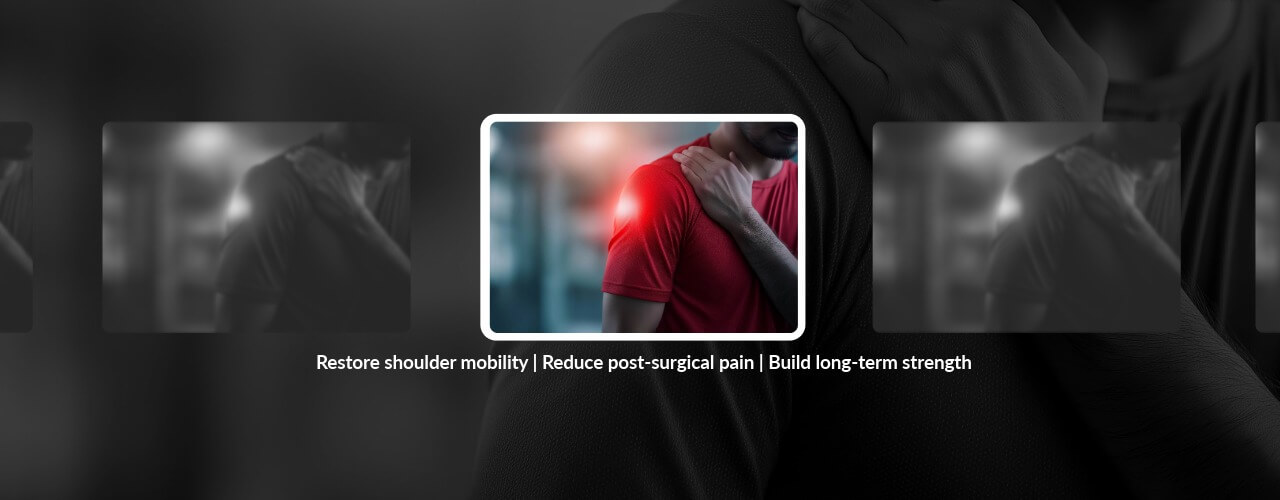
Shoulder surgery is often necessary to repair injuries such as rotator cuff tears, labral damage, or joint instability. But once the procedure is over, the real work begins. Many patients face discomfort and stiffness as they begin the process of shoulder pain recovery. With the right guidance and a structured approach, physical therapy can help reduce pain, restore function, and get you back to your daily activities safely.
At MechanoTherapy, our team helps patients build confidence during each phase of their recovery. Whether you are just starting rehab or looking to regain your full range of motion, following these steps can make your progress smoother and more comfortable.
Why Shoulder Pain Recovery Requires a Step-by-Step Plan
Post-surgical shoulder pain happens for several reasons. The body reacts to surgery with inflammation and muscle guarding, which can make the joint feel tight or weak. Without movement, muscles lose strength, and scar tissue can restrict motion.
That is why shoulder pain recovery depends on consistent, guided care that improves mobility and strength without disrupting healing. Rushing the process or avoiding movement entirely can lead to poor outcomes. A carefully designed plan allows for steady progress while protecting the repaired structures.
Step-by-Step Guide to Shoulder Pain Recovery
Each recovery path is unique, but these general steps can help guide you through the process and support healing after shoulder surgery.
Step 1: Protect the Joint and Manage Pain
The first few days or weeks after surgery focus on pain control and joint protection.
What To Do
Use your sling as instructed to avoid unnecessary strain. Apply ice packs for 15 to 20 minutes at a time to reduce pain. Take medications only as prescribed. Follow your therapist’s guidelines on how much movement is allowed in the early phase.
Step 2: Begin Passive Range of Motion (PROM) Exercises
In this stage, your shoulder is gently moved by your therapist or with assistance to prevent stiffness.
What To Do
Attend all physical therapy sessions and communicate openly about your discomfort. Passive exercises might include guided arm lifts or rotations. Avoid lifting or using the shoulder actively until your provider approves it.
Step 3: Progress to Active-Assisted and Active Movement
Once cleared, you will start moving your arm using your own muscles, sometimes with help from the other arm or a tool.
What To Do
Use a cane or pulley system as instructed by your therapist. Begin small movements, like lifting your arm forward or to the side within a safe range. This builds muscle awareness and encourages joint control.
Step 4: Strengthen the Supporting Muscles
As your range of motion improves, strengthening becomes a priority for stabilizing the shoulder.
What To Do
Perform specific exercises targeting the rotator cuff, scapular muscles, and upper back. Use resistance bands or light weights when approved. Focus on slow, controlled movements. Do not push through pain.
Step 5: Improve Posture and Daily Mechanics
Poor posture can place extra stress on your healing shoulder and lead to compensations.
What To Do
Practice standing and sitting with your shoulders relaxed and your back straight. Use ergonomic adjustments at your desk or home. Avoid slouching, cradling a phone between your neck and shoulder, or carrying heavy bags on one side.
Step 6: Reintroduce Functional Movements
Eventually, you will begin practicing the types of movements needed for daily life or sports.
What To Do
Rehearse tasks like reaching overhead, fastening a seatbelt, or lifting small objects under supervision. Ask your therapist to help you relearn proper techniques to avoid reinjury.
Step 7: Maintain Mobility and Strength Long Term
Even after formal therapy ends, staying active is key to preventing future shoulder pain.
What To Do
Stick to your home exercise plan. Continue stretching and strengthening the shoulder two to three times a week. Listen to your body and adjust your routine if discomfort returns.
Shoulder Pain Recovery: A Long-Term Commitment to Health
Successful shoulder pain recovery is not about how fast you can return to normal activities. It is about healing correctly, rebuilding strength, and developing habits that support long-term joint health. With a thoughtful plan, consistent effort, and expert guidance, you can regain function and prevent setbacks.
Our therapists create customized care plans based on your condition, goals, and lifestyle. From hands-on techniques to personalized exercises and education, we provide everything you need to move forward with confidence.
Contact MechanoTherapy today to schedule your evaluation. Let us help you take the next step toward pain-free movement and lasting recovery.
Tags: post-surgery shoulder rehab, rotator cuff recovery, shoulder mobility exercises, shoulder pain management